You made it through the storm. The winds stopped howling, the rain finally let up, and you can see daylight again. But when you walk back into your house, that sinking feeling hits you. There’s water everywhere. Your floors are soaked. The ceiling has a suspicious stain that wasn’t there before. And you’re standing there thinking: where do I even start?
If you’re a homeowner in Miami-Dade or Broward County, this scenario isn’t some distant possibility. It’s something that happened to thousands of your neighbors recently. The 2024 hurricane season produced 18 named storms, 11 hurricanes, and 5 major hurricanes, making it one of the most destructive and deadliest seasons on record. Those 27 billion dollar disasters in 2024 resulted in $182.7 billion in damages, and a huge chunk of that hit right here in South Florida.
The recovery process isn’t just about cleaning up and moving on. There’s a specific order to things, a timeline that matters more than most people realize, and mistakes that can cost you thousands down the road. Here’s what you actually need to know.
The First 48 Hours Are Everything
When water gets into your home, you’re not just dealing with wet floors and ruined furniture. You’re racing against something far worse: mold.
Mold can start growing on moist surfaces within 24 to 48 hours after water damage. Read that again. You have two days, maybe less, before what was a water problem becomes a mold problem. And mold is expensive, dangerous, and a nightmare to deal with.
In Florida’s heat and humidity, that timeline can be even shorter. Your house is basically a perfect mold incubator once water gets in. The temperature is warm, the air is humid, and every surface that got wet is now a potential mold farm.
This is why people who wait “to see how bad it really is” or “until we can afford it” end up paying way more in the long run. The clock is ticking from the second water enters your home.
What you should be doing immediately:
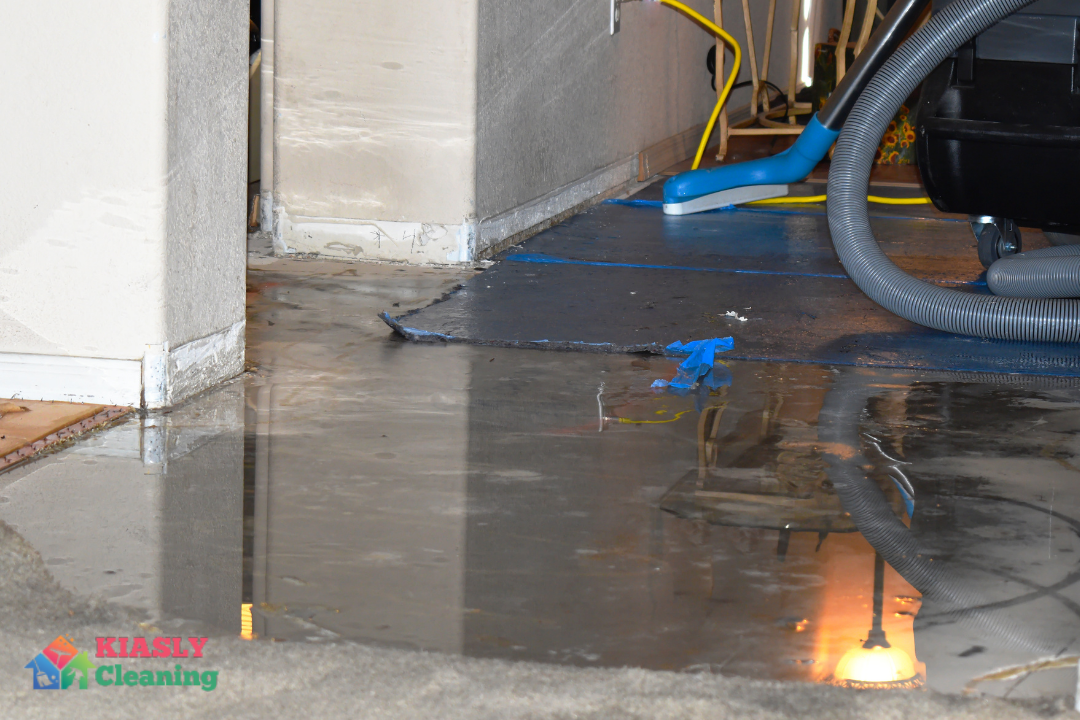
Get the water out. If it’s safe to enter your home and the power is off or secured, start removing standing water any way you can. Wet vacs, pumps, mops, buckets, whatever it takes. Every hour that water sits there is another hour of damage soaking deeper into your walls, floors, and structure. Open everything up. Windows, doors, cabinets, closets. Get air moving through your house. If you have fans that work and it’s safe to plug them in, use them. Air circulation is your friend right now. Pull up wet carpet and padding. Carpet padding is like a sponge. Once it’s soaked, it’s done. Get it out of your house fast. The carpet itself might be salvageable if you act quickly, but that padding needs to go.
Move furniture and belongings. Anything sitting on wet floors is absorbing water. Get furniture up on blocks if you can. Remove everything from wet cabinets. Hang up wet clothes and linens. Don’t let things just sit there soaking. Document everything. Take photos and videos of all the damage before you start cleaning. Your insurance company will want proof. Your phone’s camera is fine. Just make sure you capture the extent of the water damage from multiple angles.
When You Need Professional Help (And You Probably Do)
Here’s the honest truth: most water damage from hurricanes is beyond what homeowners can handle themselves. And that’s not because you’re incapable. It’s because proper restoration requires equipment you don’t have, expertise you haven’t built, and frankly, time you probably don’t have while also dealing with everything else a hurricane just threw at you.
Professional restoration companies have industrial dehumidifiers that pull moisture out of the air and materials way faster than anything you can rent from a hardware store. They have moisture meters that detect water hidden in walls and floors that you can’t see. They know which materials can be saved and which ones are ticking time bombs for future mold growth. If you had more than an inch of standing water in your home, if the water came from outside (not just a roof leak), if your walls or ceilings got soaked, or if you have any doubt about your ability to get everything completely dry within 48 hours, call a professional. It’s not about the money you’ll spend now. It’s about the money you’ll save by not having to gut your entire house six months later because mold took over.
The Hidden Damage Nobody Talks About
The water you can see is obvious. But hurricanes cause damage that doesn’t announce itself right away.
Your drywall might look fine, but if it got wet, it probably absorbed water like a sponge. Drywall is porous, which means water soaks deep into it fast. Within two days of water intrusion, mold will begin to colonize damp drywall and release new spores. Sometimes the only way to know if your drywall is compromised is to use moisture detection equipment.
Insulation in your walls and attic can hold water for weeks. You might not see it, but it’s up there staying damp, growing mold, and ruining the structural integrity of your home. Wet insulation needs to be removed and replaced. There’s no saving it. Your electrical system might have hidden damage. Water and electricity don’t mix, and even after things dry out, you could have corroded connections, damaged outlets, or wiring that’s compromised. Get an electrician to inspect everything before you flip breakers back on.
HVAC systems can get flooded or damaged without looking obviously broken. If your AC unit or ductwork got wet, you need it inspected and cleaned. Running an air conditioner that has mold in the ducts just spreads mold spores throughout your entire house every time it kicks on.
What Insurance Actually Covers (And What It Doesn’t)
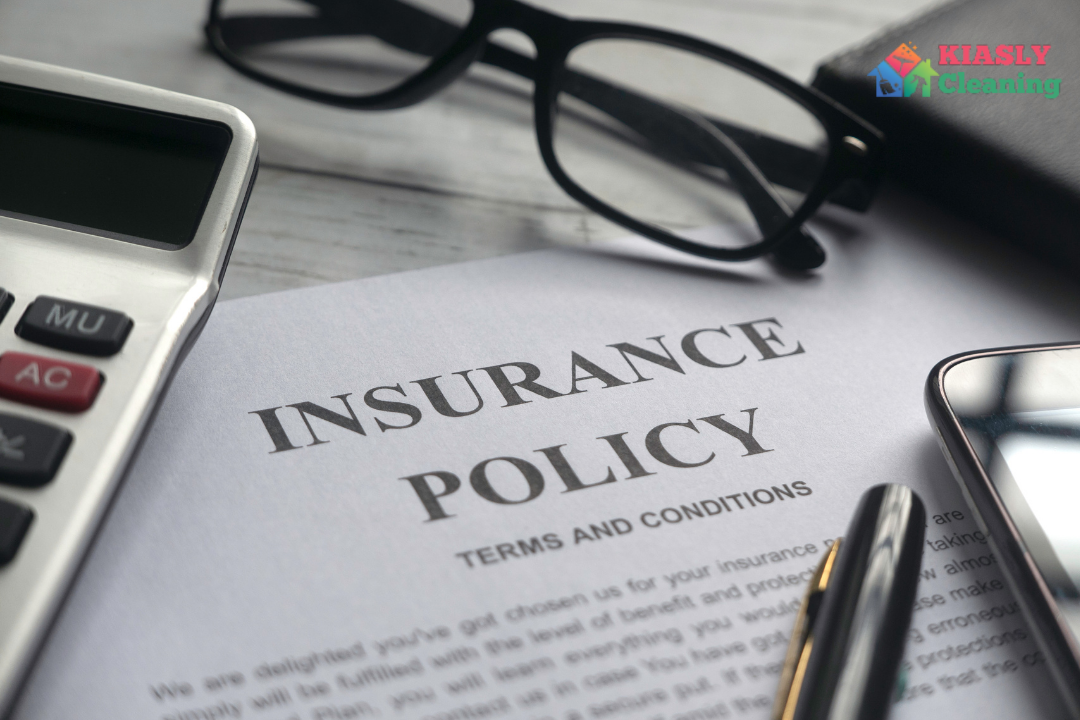
This is where things get frustrating for a lot of homeowners. Your regular homeowners insurance covers wind damage. If the hurricane ripped off part of your roof and rain came in through that opening, your homeowners policy should cover it.
But if water came up from the ground, through your doors, or from storm surge, that’s flood damage. And flood damage requires separate flood insurance. Regular homeowners insurance doesn’t cover flooding. Full stop. This catches people off guard every single hurricane season. They assume their insurance covers “hurricane damage” without realizing there’s a difference between wind damage and flood damage. If you don’t have flood insurance and you got flooded, FEMA might be your only option for assistance, and that’s usually a loan you have to pay back, not a grant.
When you file your insurance claim, be detailed. Don’t just say “my house got damaged in the hurricane.” Document every single thing that was damaged and how it was damaged. Take photos of everything. Keep receipts for any emergency repairs you have to make. Insurance companies can be difficult, and the more documentation you have, the better your chances of getting a fair settlement.
The Mold Question Everyone’s Afraid to Ask
Let’s just address this head on. If your house got wet and you didn’t get it completely dry within 48 hours, you probably have mold growing somewhere. That doesn’t mean you have to bulldoze your house, but it does mean you need to deal with it properly.
Small areas of surface mold (like on a windowsill or non porous surface) you can clean yourself with the right products and safety gear. But if you’re seeing mold on walls, ceilings, or spread across large areas, that’s beyond DIY territory. Mold remediation is a specialized job that requires proper containment, removal, and treatment to make sure it doesn’t come back. Some homeowners try to just paint over mold or cover it up. That doesn’t work. Mold grows behind the paint. It keeps spreading. And breathing mold spores can cause serious health problems, especially for kids, elderly folks, and anyone with respiratory issues.
Professional mold remediation means finding all the mold (including hidden mold), removing affected materials that can’t be saved, treating surfaces with antimicrobial solutions, fixing whatever moisture problem caused the mold in the first place, and making sure your air quality is back to safe levels before the job is done.
The Renovation Process: What to Expect
Once everything is dry and any mold issues are handled, you can start thinking about repairs and restoration. This is where homeowners often get overwhelmed because the scope of work can be massive. Flooring usually takes the biggest hit. If you had hardwood floors, they might be warped beyond saving. Tile can crack. Carpet is almost always a loss if it got soaked. You’re probably looking at replacing flooring in multiple rooms.
Drywall that was damaged needs to be cut out and replaced. This isn’t just patching a hole. Sometimes entire walls need to be torn out if they absorbed too much water. And when you’re replacing drywall, you’re also repainting, which means color matching and probably painting entire rooms to make it look right. Cabinets can swell and fall apart if they got wet. This is especially true for particleboard cabinets, which basically disintegrate when soaked. Solid wood cabinets have a better chance of surviving if they’re dried quickly, but they might need refinishing.
Your baseboards, trim, and door frames probably need replacing if they were sitting in water. These pieces absorb water and swell, and even after they dry, they usually don’t return to their original shape. All of this takes time. Depending on the extent of your damage, restoration can take weeks or even months. If you’re living somewhere else during repairs, that’s additional expense and stress. If you’re living in the house while work is happening, that’s its own kind of challenging.
How Kiasly Cleaning Fits Into Your Recovery
Once the major restoration work is done, there’s still a lot of cleaning that needs to happen before your house feels like home again. Construction dust gets everywhere. There’s debris, dirt tracked in by workers, and just general mess from the chaos of repairs.
This is where professional cleaning makes a real difference. At Kiasly Cleaning, we’ve worked with plenty of homeowners in Miami-Dade and Broward County who are coming out the other side of hurricane damage. We know what post restoration cleaning looks like, and we know how to do it right. We’re not just wiping down surfaces. We’re doing deep cleaning that gets into all the nooks where construction dust settles. We’re cleaning vents, fans, and fixtures. We’re making sure floors are truly clean after contractors have been tracking through. We’re getting your kitchen and bathrooms back to sanitary condition.
For homeowners, this final cleaning step is often what makes the space feel livable again. You’ve been through repairs and restoration, you’re exhausted from dealing with insurance and contractors, and the last thing you want to do is spend days scrubbing your house. That’s what we’re here for. We also service offices and vacation rentals, which is important for property owners who had commercial spaces or rental properties damaged. Getting those spaces back to rentable or usable condition quickly matters for your business and income. Professional cleaning is part of that process.
What You Can Do Right Now (Even Before the Next Storm)
If you haven’t had hurricane damage yet, count yourself lucky and then get prepared. Take photos of your entire house, inside and out. Store those photos somewhere off site or in the cloud. If you need to file an insurance claim later, you’ll want proof of what your house looked like before damage occurred.
Review your insurance policies. Actually read them. Know what’s covered and what’s not. If you don’t have flood insurance and you’re in Florida, seriously consider getting it. Flood insurance has a 30 day waiting period after you buy it, so you can’t wait until a storm is heading toward us. Make a plan for your important documents, medications, and irreplaceable items. Know where you’ll put them if you need to evacuate or if a storm is coming. Having that plan in place before you need it makes a huge difference.
Put together a list of contractors and service providers now. After a major hurricane, everyone is trying to find restoration companies, roofers, plumbers, and electricians at the same time. If you already have contacts and know who you’d call, you’re ahead of the game. Keep basic emergency supplies on hand. Tarps, plywood, sandbags, a generator if you can swing it, battery powered fans, and cleaning supplies. These things sell out fast when a storm is approaching.
The Reality of Living in Hurricane Territory
Nobody wants to think about their house getting damaged. But if you’re living in South Florida, hurricanes are part of the deal. They’re not going away. If anything, they’re getting stronger and more frequent.
The difference between a disaster you recover from and one that ruins you financially often comes down to how quickly you respond after the storm. That 48 hour window for preventing mold isn’t a suggestion. It’s the difference between a manageable restoration project and a complete gut job that costs ten times more. Get help when you need it. Use professionals who know what they’re doing. Don’t try to save money by skipping important steps or hoping problems will just resolve themselves. They won’t.
And when you’re finally on the other side of it all, when your house is restored and clean and starting to feel like home again, take a breath. You made it through. Now make sure you’re better prepared for the next one, because in Florida, there’s always a next one.
If you’re dealing with the aftermath of storm damage and need professional cleaning services to help get your home, office, or vacation rental back in shape, Kiasly Cleaning is here. We serve Miami-Dade County and Broward County, and we understand what you’re going through. Sometimes the help you need isn’t just about cleaning. It’s about getting back to normal, and we can help with that.