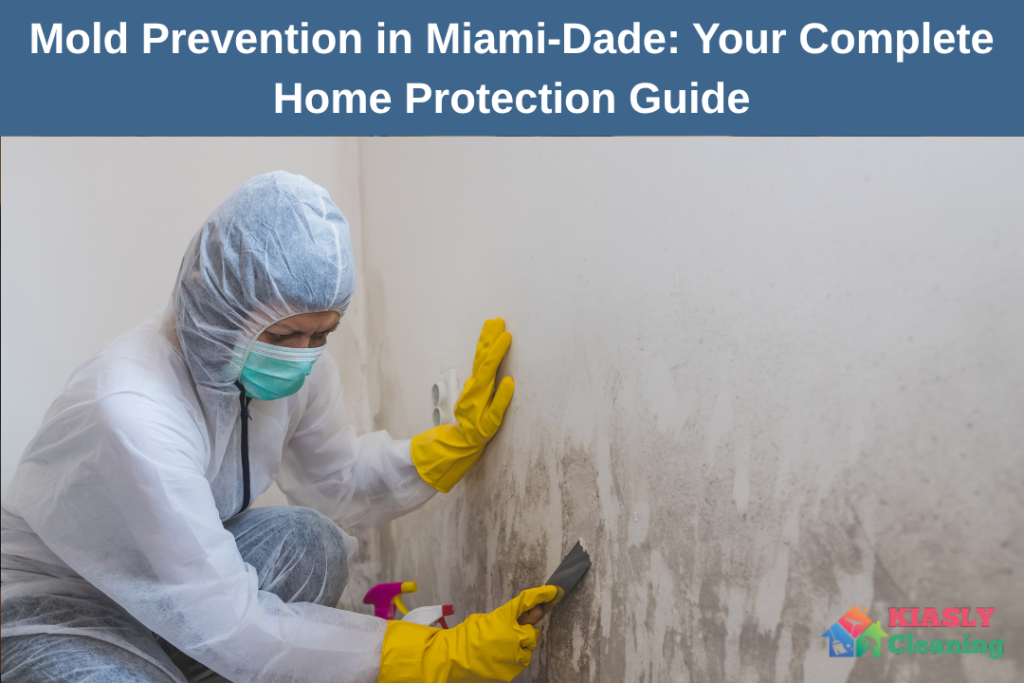
You walk into your closet and catch that smell. It’s musty, damp, and wrong. You check behind the hanging clothes and there it is: dark spots spreading across the back wall. If you’re a Miami-Dade homeowner, this scenario isn’t some distant nightmare. It’s Tuesday.
Miami’s humidity levels regularly surpass 70 percent throughout the year, creating the perfect breeding ground for mold. Add in our frequent rainstorms and the occasional hurricane, and you’ve got a recipe for one of the most persistent problems South Florida homeowners face. As many as 50% of homes in the U.S. experience water damage, and in Miami-Dade, that number likely runs higher given our climate.
The truth is, mold prevention isn’t about IF you’ll deal with moisture problems. It’s about WHEN, and whether you’re prepared to handle them before they become expensive disasters.
Why Miami-Dade Is Mold’s Favorite Vacation Spot
Our climate practically sends mold spores a personal invitation. They need three things to thrive: organic material (your drywall, wood, and fabrics qualify), the right temperature (check), and moisture (double check). When water stands for even 24 hours, common molds can take hold.
Think about what happens in a typical Miami summer. Your AC runs constantly. Condensation builds up. You get a quick afternoon storm that dumps two inches of rain in 20 minutes. Maybe your roof has a small leak you don’t know about yet. Or your washing machine hose has a slow drip behind the wall. Each of these situations creates the moisture mold needs. And unlike up north where homes get a dry season break, we’re dealing with this year round.
Exposure to damp and moldy environments can cause stuffy nose, sore throat, coughing or wheezing, burning eyes, or skin rash. People with asthma or mold allergies face even more severe reactions. It’s not just about the black spots on your bathroom ceiling. It’s about breathing clean air in your own home.
The Hidden Spots Where Mold Loves to Hide
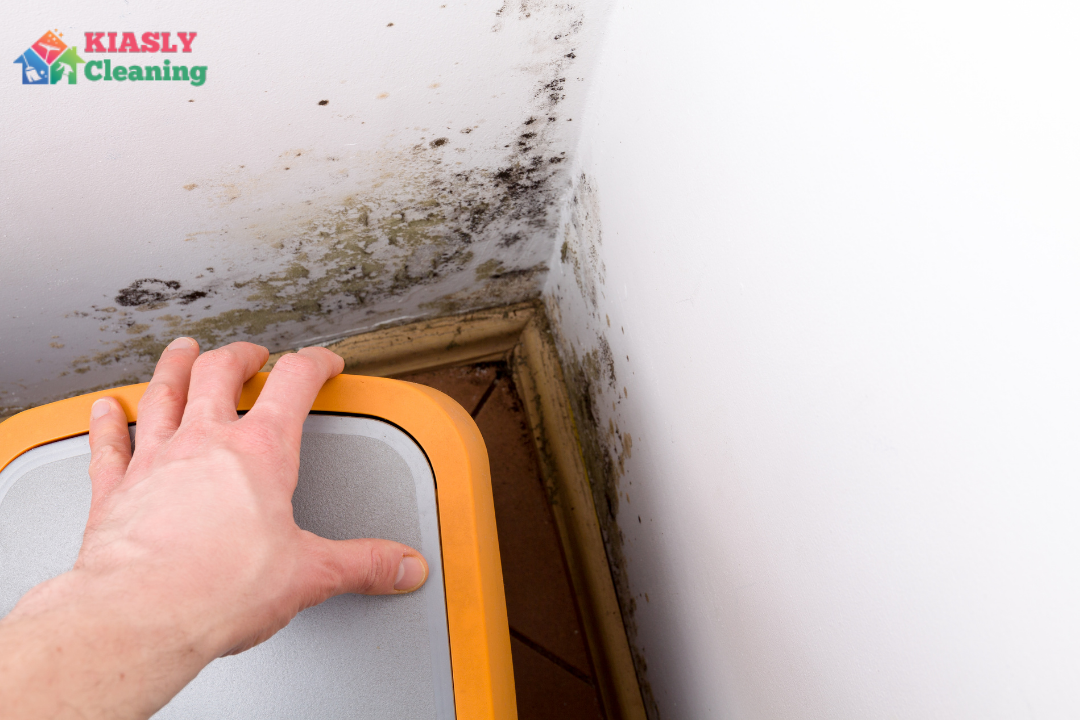
Most people check the obvious places: under sinks, around windows, in the shower. But mold is sneaky, and in Miami-Dade homes, it finds creative hiding spots. Behind your refrigerator, the drip pan collects condensation. When was the last time you pulled out your fridge and looked back there? The answer for most people is never. Same goes for the AC drip pan. These dark, damp spaces stay out of sight until you start smelling something funky.
Your attic is another prime target. Heat rises, moisture gets trapped, and most homeowners only go up there when they absolutely have to. By the time you notice water stains on your ceiling, mold has probably been partying in your insulation for months. Check inside your AC ducts too. Every time your system kicks on, it’s potentially spreading mold spores throughout your entire house. That’s why you can clean every visible surface and still have problems. The source is floating through your air vents.
Don’t forget about your washer’s rubber gasket if you have a front loader. That seal stays damp after every load, creating a perfect mold habitat. Wipe it down after each use, and leave the door open between loads to let it dry out.
Your Daily Defense Against Mold Growth
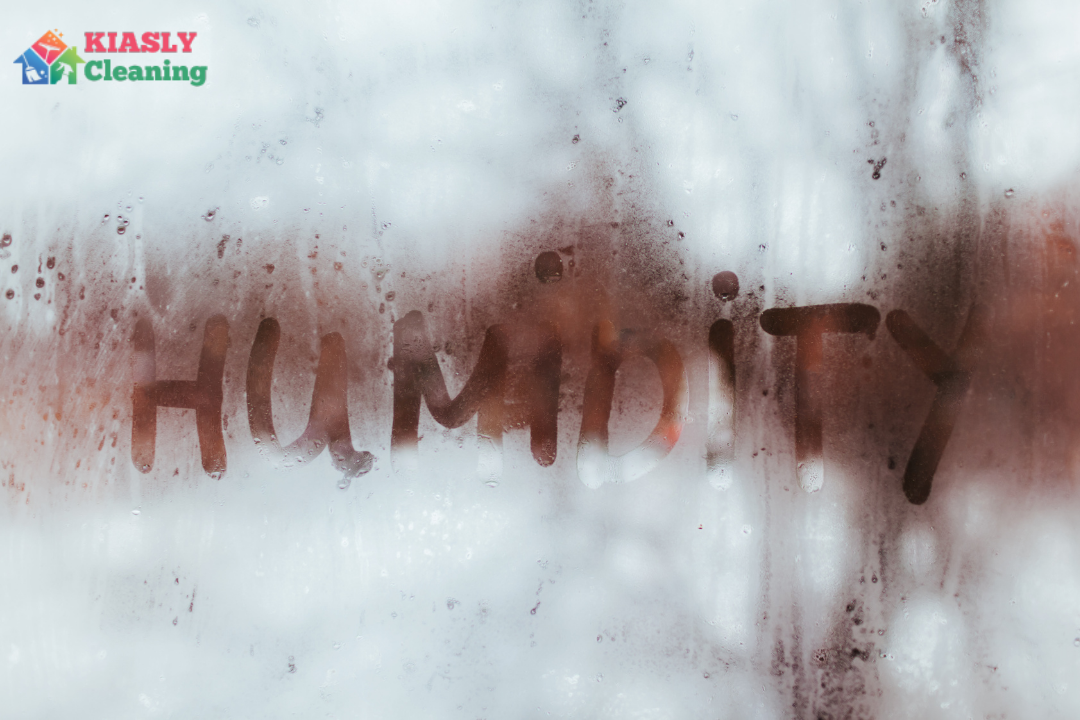
Keeping humidity levels below 60% is your first line of defense. Get a hygrometer (they cost about 10 bucks) and check the levels in different rooms. If you’re consistently above 60%, your dehumidifier needs to work harder. Run your bathroom exhaust fan during showers and for at least 30 minutes after. Better yet, leave it on for an hour. The fan might be loud and annoying, but it’s cheaper than mold remediation. Same rule applies to your kitchen when you’re cooking. Venting moisture from showering and cooking to the outside stops it from settling into your walls and ceilings.
Fix leaks immediately. Not next week. Not when you get around to it. Today. Clean and dry up spills within 24 hours. That’s your window before mold starts growing. A small water leak under your sink might seem minor, but give it 48 hours and you’re looking at a mold problem. Change your AC filters monthly during summer. A clogged filter makes your system work harder and creates more condensation. Plus, dirty filters can trap moisture and become mold sources themselves.
Keep your home clean. Dust contains organic material that mold feeds on. Regular vacuuming and surface cleaning removes potential food sources. Pay special attention to areas that don’t get much airflow, like corners and spaces behind furniture.
Smart Home Modifications That Actually Work
Install a whole house dehumidifier if you’re serious about mold prevention. Window units help, but they only handle one room at a time. A whole house system works with your HVAC to control moisture levels throughout your entire home. Upgrade your bathroom fans to models with humidity sensors. These automatically kick on when moisture levels rise and shut off when things are dry. You don’t have to remember to flip a switch.
Consider replacing carpet in bathrooms, laundry rooms, and basements with tile or vinyl. Carpet in wet areas is asking for trouble in Miami’s climate. It holds moisture and provides the perfect environment for hidden mold growth. Make sure your gutters drain properly and slope away from your foundation. Water pooling around your home’s base will find its way inside eventually. Check this after every major storm.
Add weatherstripping around doors and windows. This isn’t just for energy efficiency. It keeps humid outdoor air from mixing with your cooler indoor air and creating condensation on surfaces.
What Professional Cleaning Brings to the Table
You can handle surface mold on bathroom tiles with bleach and elbow grease. But when you’re dealing with mold in walls, crawl spaces, or HVAC systems, that’s when professionals need to step in. Professional cleaning services have moisture meters that detect hidden water damage before it becomes visible mold. They can spot problem areas you’d never notice until the damage is done.
They also have industrial dehumidifiers and air movers that dry out affected areas properly. Your box fan from Home Depot won’t cut it when you need to dry out waterlogged drywall. For vacation rentals and office spaces, professional cleaning isn’t just smart—it’s necessary. Your guests and employees deserve environments that won’t trigger allergies or respiratory problems. One bad review mentioning mold can tank your booking rates.
Professional services also document their work properly. If you ever need to file an insurance claim or disclose issues during a home sale, having professional remediation records makes a huge difference.
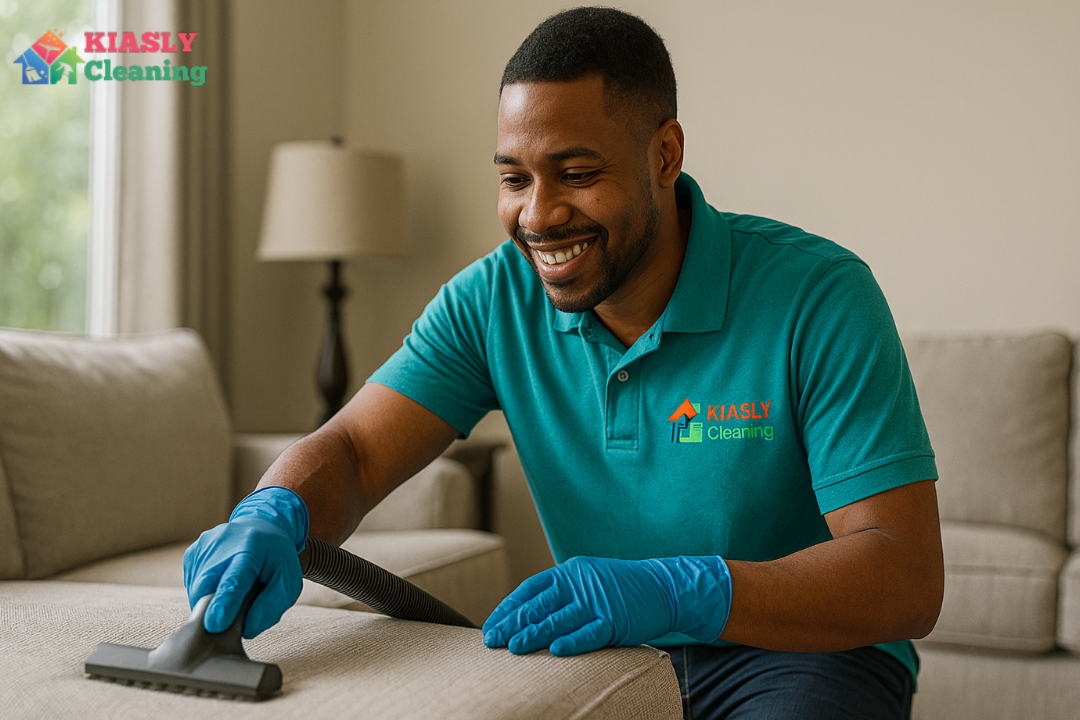
When to Call in the Experts
If you see mold covering more than 10 square feet, don’t DIY it. That’s the EPA’s guideline for when professional help becomes necessary. At that size, you’re dealing with a moisture problem that requires proper assessment and remediation.
Any mold in your HVAC system needs professional attention. You don’t want to mess around with your air distribution system and potentially make things worse by spreading spores throughout your house. If anyone in your household has respiratory issues, asthma, or immune system problems, get professionals involved at the first sign of mold. The health risks aren’t worth trying to save a few bucks on remediation.
After any flooding or major water damage, call professionals even if you don’t see mold yet. They can prevent it from starting with proper drying and treatment. This is especially crucial after hurricane damage. When you smell mold but can’t find the source, that’s a clear sign you need expert help. They have the tools and experience to track down hidden growth behind walls, under flooring, or in other concealed spaces.
The Real Cost of Ignoring Mold Problems
Mold doesn’t improve with time. It spreads. That small patch in your bathroom will move to adjacent walls. The hidden growth in your AC ducts will circulate throughout your home. Health problems from mold exposure add up quickly. Doctor visits, medications for respiratory issues, and days missed from work cost more than prevention ever would.
Property damage escalates fast too. Mold eats away at building materials. Your drywall gets soft, wood studs rot, and structural integrity weakens. A $500 repair job becomes a $5,000 remediation project when you wait too long. If you’re selling your home, undisclosed mold problems will come back to bite you. Buyers can walk away from deals or demand major price reductions. Home inspections catch mold issues, and once they’re documented, you can’t ignore them.
Living in Miami-Dade means accepting that mold prevention is part of homeownership. The climate makes it unavoidable. But it’s completely manageable when you stay on top of it with regular maintenance, quick responses to moisture problems, and professional help when needed. Your home should be your safe space, not a source of health concerns. Keep humidity in check, fix water problems fast, and don’t hesitate to call in experts when situations get beyond basic cleaning. That’s how you win against mold in South Florida.