

Maria moved to Miami from Chicago last year and couldn’t understand why her apartment felt grimy again just days after deep cleaning. She’d scrubbed everything spotless on Saturday, but by Wednesday, surfaces felt sticky, the bathroom had that familiar musty smell, and sand somehow appeared on floors she’d just mopped. Back in Chicago, her cleaning routine kept things fresh for weeks. Here in South Florida, it seemed like she was fighting a losing battle against humidity, salt air, and mysterious grime that appeared overnight.
Sound familiar? You’re not alone. Miami-Dade residents face cleaning challenges that would puzzle anyone from a drier climate. The combination of 78% average humidity, salt air from the coast, and year-round outdoor living creates a perfect storm for cleaning mistakes that seem logical but actually make problems worse. According to the Florida Department of Health, homes in coastal counties require different cleaning approaches than inland areas due to salt air, higher humidity, and unique mold risks.
After working with thousands of Miami-Dade homeowners over eight years, we’ve seen the same mistakes repeated in home after home. The good news? Once you understand what doesn’t work here and why, keeping a clean home becomes much more manageable.
Using Too Much Water When Mopping
This might be the biggest mistake newcomers make. In drier climates, using plenty of water helps dissolve dirt and leaves floors sparkling. In Miami-Dade’s humid environment, excess water takes forever to dry and actually attracts more dirt and dust.
Wet floors in humid conditions become sticky magnets for everything floating in the air – pollen, dust, pet hair, and those tiny particles of sand that seem to materialize from nowhere. Instead of cleaning your floors, you’re creating a surface that grabs and holds onto dirt.
Professional cleaners use barely damp mops with cleaning solution, not soaking wet ones. The goal is to remove dirt without leaving moisture that won’t evaporate quickly. Microfiber mops work better than traditional string mops because they hold just enough moisture without over-wetting surfaces.
Change your mop water frequently – every 200 square feet or so. Dirty water just spreads grime around instead of removing it, and in humid conditions, that dirty residue stays sticky longer.
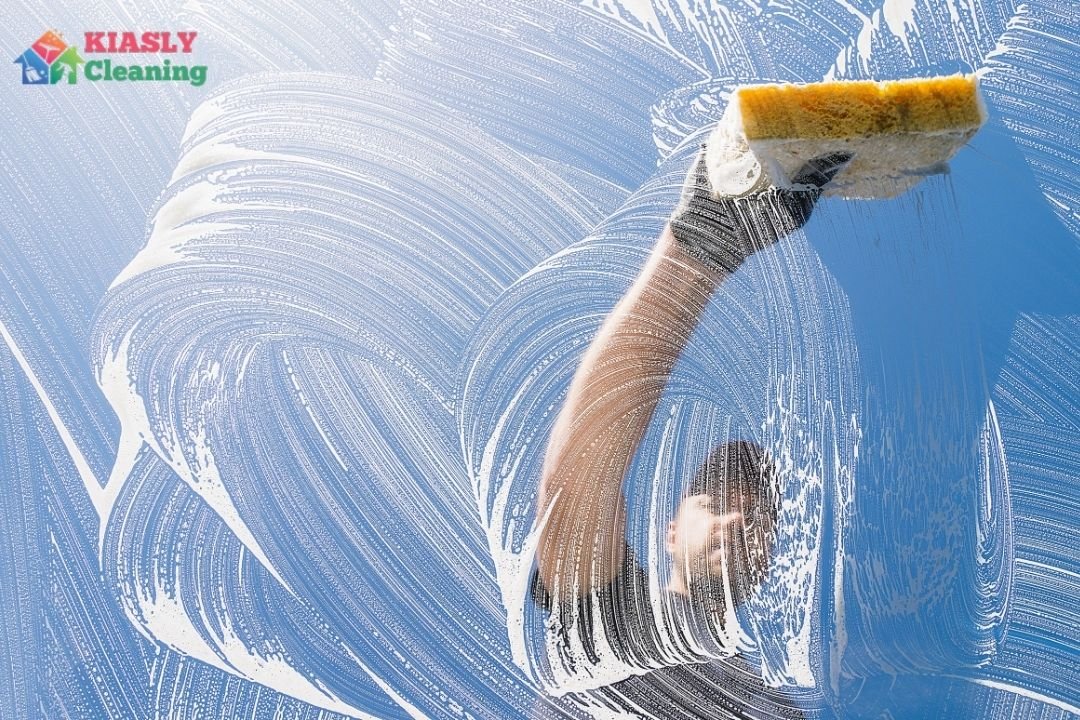
Cleaning Windows on Sunny Days
Miami’s intense sun makes this mistake particularly costly. Cleaning glass when it’s hot causes cleaning solutions to evaporate before you can wipe them away, leaving streaks that look worse than dirty windows.
Salt air from the ocean creates a film on glass that builds up quickly, but trying to remove it during peak sun hours just bakes the cleaning solution onto the surface. Those white streaks you can’t seem to eliminate? They’re dried cleaning product mixed with salt residue.
Clean windows early in the morning or on cloudy days when glass surfaces aren’t hot to the touch. Use a mixture of white vinegar and water rather than commercial glass cleaners that leave more residue in humid conditions.
Work in small sections and wipe immediately after applying cleaning solution. The combination of heat and humidity gives you a very short window before solutions start drying on their own.
Closing Up the House to Keep Cool
This seems logical – keep the AC in and the humidity out. But closed houses in Miami-Dade develop problems quickly. Stagnant air allows moisture to settle in corners, behind furniture, and in areas where mold loves to grow.
Bathrooms without exhaust fans or windows become breeding grounds for mold within days when air can’t circulate. Closets develop musty odors, and that overall stuffiness makes your home feel dirty even when surfaces are clean.
Open interior doors to allow air circulation between rooms. Run ceiling fans even when using AC – moving air prevents moisture from settling and creating problems. Use exhaust fans in bathrooms for at least 30 minutes after showers.
Strategic window opening helps too. When outdoor humidity is lower than indoor levels (usually early morning), opening windows for 15-20 minutes brings in fresh air without overwhelming your AC system.
Ignoring Grout Lines and Tile Edges
Miami-Dade’s humidity turns neglected grout into a mold highway. Many people focus on cleaning tile surfaces while ignoring the spaces between tiles, where moisture sits and creates perfect growing conditions for bacteria and mold.
Dark grout lines aren’t just unsightly – they’re often signs of mold growth that can affect indoor air quality. Once mold establishes in grout, it spreads to other areas and becomes much harder to eliminate.
Clean grout weekly with a mixture of baking soda and water. Make a paste, apply it to grout lines, let it sit for 10 minutes, then scrub with an old toothbrush. This prevents buildup that becomes difficult to remove later.
Seal grout lines annually to prevent moisture absorption. Unsealed grout in humid climates soaks up water and becomes a breeding ground for problems that regular cleaning can’t address.
Using Fabric Softener in High Humidity
Fabric softener seems like a good idea for keeping clothes and linens fresh, but in Miami-Dade’s climate, it often backfires. The chemicals that make fabrics soft also make them more attractive to moisture, dust, and allergens floating in humid air.
Towels treated with fabric softener become less absorbent over time, which is particularly problematic when you need them to dry effectively after showers in humid bathrooms. Sheets and clothing can develop that slightly sticky feeling that attracts pet hair and dust.
White vinegar works better than fabric softener in humid climates. Add half a cup to the rinse cycle – it removes soap residue, softens naturally, and doesn’t leave chemicals that attract moisture and allergens.
For towels specifically, skip both fabric softener and vinegar occasionally. Let them go through a regular wash and dry cycle to restore their natural absorbency.
Storing Cleaning Supplies in Hot Areas
Garages, outdoor storage rooms, and other non-climate-controlled areas seem like logical places for cleaning supplies, but Miami’s heat and humidity can make products less effective or even dangerous.
Heat breaks down the active ingredients in many cleaning products, making them weaker or completely ineffective. Some products can become unstable in high temperatures, creating safety hazards or ruining the containers they’re stored in.
Humidity can cause powdered products to clump and liquid products to separate. Paper products like paper towels stored in humid conditions can develop mold or mildew before you ever use them.
Store cleaning supplies in climate-controlled areas like laundry rooms or kitchen cabinets. Keep them in their original containers to maintain effectiveness and safety information.
Waiting Too Long Between Deep Cleans
In drier climates, you might deep clean seasonally or a few times per year. Miami-Dade’s environment demands more frequent attention to prevent problems that become expensive to fix later.
Waiting three months between deep bathroom cleans allows mold to establish in areas that daily cleaning doesn’t reach. Air conditioning units that go six months without attention start circulating dirty air that makes your whole house feel grimy faster.
Schedule monthly deep cleaning for problem areas like bathrooms, kitchen appliances, and AC vents. This prevents buildup that becomes difficult or impossible to remove with regular cleaning products.
Professional cleaning services familiar with South Florida conditions understand this timing. They know which areas need monthly attention and which can go longer between deep cleans.
Cleaning from Bottom to Top
Gravity works the same way everywhere, but in humid conditions, dust and debris that falls from higher surfaces sticks to lower surfaces more readily. Cleaning floors first means you’re just giving falling dust and dirt something to stick to.
Start with ceiling fans, light fixtures, and high surfaces. Work your way down to furniture, countertops, and finally floors. This way, everything that falls gets cleaned up in your final step.
Pay special attention to ceiling fans, which collect dust quickly in humid air and spread it around when running. Clean fan blades weekly to prevent them from distributing dust every time you turn them on.
Dust furniture and surfaces before vacuuming or mopping. Otherwise, you’re just redistributing dust that will settle on your freshly cleaned floors.
Using the Wrong Products for Salt Air Damage
Many generic cleaning products aren’t designed for the salt air that affects all of Miami-Dade County, even areas not directly on the coast. Salt residue builds up on windows, outdoor furniture, and any surfaces exposed to air circulation.
Regular glass cleaners can actually make salt buildup worse by leaving residues that attract and hold salt particles. Some all-purpose cleaners react poorly with salt residue, creating streaks or films that are harder to remove than the original problem.
White vinegar cuts through salt buildup naturally without leaving residues that make the problem worse. For outdoor furniture and fixtures, rinse with fresh water weekly to prevent salt accumulation that becomes difficult to remove.
Research products specifically designed for coastal environments if you’re dealing with significant salt air exposure. These formulations work better than generic products for addressing salt-related cleaning challenges.
Not Addressing AC System Maintenance
Your air conditioning system affects your home’s cleanliness more than most people realize. Dirty AC systems circulate dust, allergens, and odors throughout your house, making everything feel dirty faster no matter how much you clean.
Clogged air filters force your system to work harder and circulate dirty air. In Miami-Dade’s dusty, pollen-heavy environment, filters need changing monthly rather than quarterly.
Dirty ductwork spreads contaminated air to every room. Professional duct cleaning should happen annually in South Florida rather than every few years like in drier climates.
Neglected AC maintenance doesn’t just affect air quality – it makes your cleaning efforts less effective because the system keeps reintroducing dirt and allergens into your space.
Learning to clean effectively in Miami-Dade means understanding that humid, coastal conditions require different approaches than what works in other climates. These aren’t character flaws or signs that you’re bad at cleaning – they’re natural responses to an environment that presents unique challenges.
The key is adapting your techniques and timing to work with South Florida’s climate instead of against it. Once you stop fighting humidity and start working with it, maintaining a clean, comfortable home becomes much more manageable. Your house will stay cleaner longer, smell fresher, and feel more comfortable year-round.